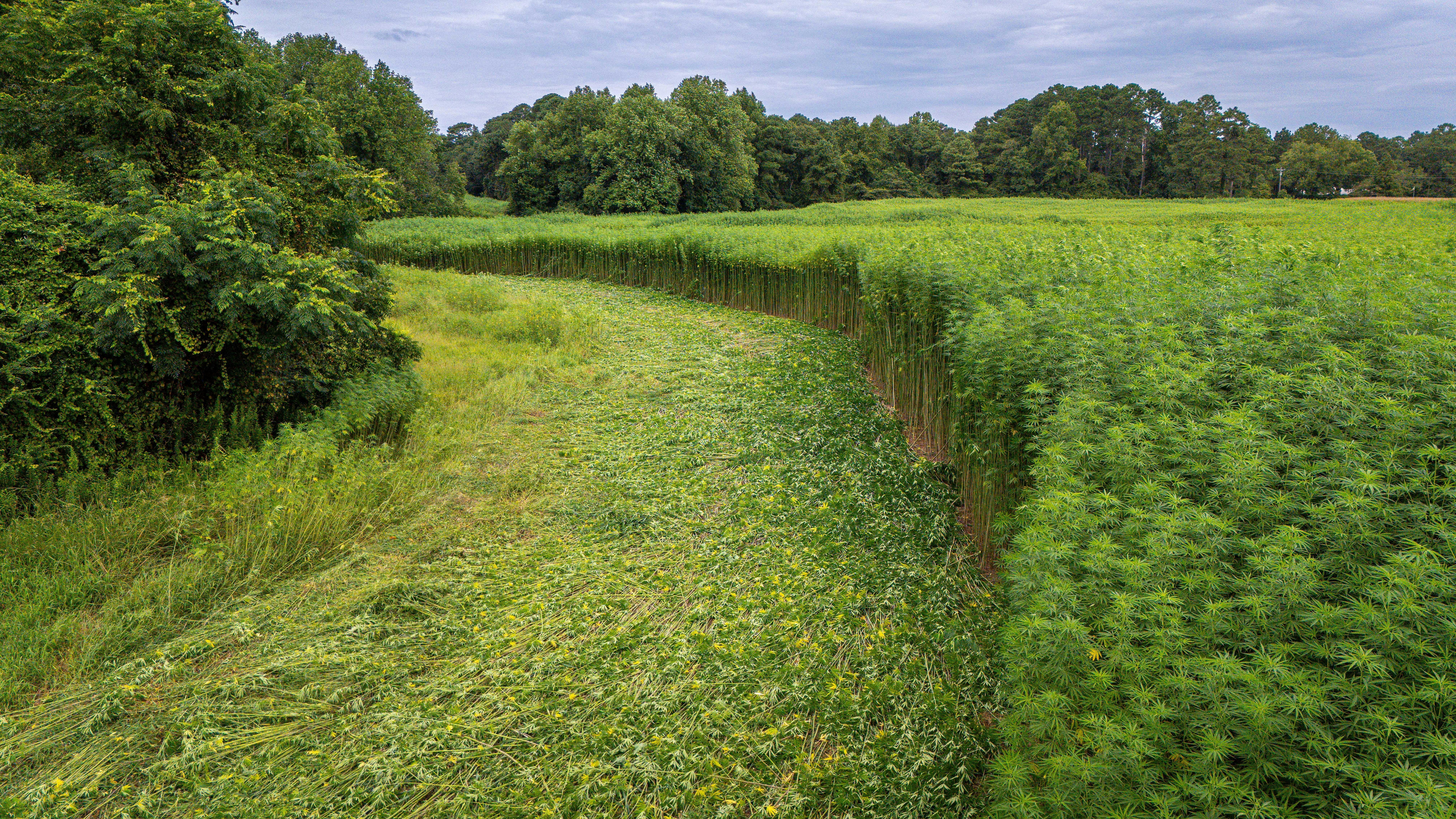
Cannabis, THC and CBD
Cannabis is a plant that contains more than 100 cannabinoids, which are chemicals that act on the body. The two main ones are THC and cannabidiol (CBD). THC is the intoxicating compound. CBD is not intoxicating, which is why it is sold as an ingredient in oils, gummies, lotions and drinks.
The National Center for Complementary and Integrative Health (NCCIH) and the NIH both note that many CBD products do not match their labels. Some contain more or less CBD than stated, and some contain THC. Products sold as CBD are therefore not a consistent substance, and that inconsistency is a central issue in the research.
What prescription cannabinoids have shown
The clearest evidence comes from approved drugs, not from store-bought products. NCCIH notes that the FDA approved a purified CBD drug for two rare, severe forms of epilepsy, Lennox-Gastaut syndrome and Dravet syndrome. The FDA has also approved synthetic THC drugs for nausea caused by chemotherapy and for appetite loss in HIV/AIDS.
Beyond these uses, NCCIH describes the research as modest. Cannabis or cannabinoids may offer some benefit for chronic pain and for multiple sclerosis symptoms, but the studies are limited.
What the research says about CBD
- Anxiety: One study of 24 people with social anxiety disorder found less anxiety during a simulated public speaking test after CBD than after a placebo. That is an interesting result from a very small group.
- Sleep: The evidence on cannabinoids for sleep disorders is too limited to reach conclusions, according to the NCCIH stress and sleep guide.
- Digestive conditions: A 2018 review of two studies in ulcerative colitis, with 92 participants in total, found that CBD did not improve remission compared with placebo, and the people taking CBD reported more side effects.
- Other uses: Claims about CBD for many conditions are not yet supported by good human trials.
Most of these studies are small, short, or both. Results from one product often do not carry over to another, because the concentration and mix of cannabinoids differ.
Safety
NCCIH lists several possible effects of CBD: reduced alertness, mood changes, decreased appetite and gastrointestinal symptoms such as diarrhea. Some of these appear to come from CBD itself, not from contaminants. Liver injury, male reproductive harm and interactions with other drugs have also been reported with CBD.
Taking CBD with THC may raise the risk of psychotic effects or cognitive impairment in some people, according to NCCIH. If you use THC regularly, this is worth discussing with a professional before adding CBD.
Cannabis and Canadian law
Canada's federal Cannabis Act came into force on October 17, 2018. It legalized the production, sale, possession and use of cannabis for adults, with provincial and territorial rules governing sale and use. Edibles, extracts and topicals became legal for sale on October 17, 2019.
CBD is treated under the same law. Health Canada says all phytocannabinoids, including CBD, are regulated under the Cannabis Act, and this includes CBD derived from industrial hemp. Several rules follow from that:
- CBD and products containing CBD may only be sold by a provincially or territorially authorized cannabis retailer, or by a federally licensed seller of medical cannabis.
- A health product containing CBD that makes a health claim requires approval as a prescription drug under the Food and Drug Regulations.
- Health Canada has said it is exploring a pathway for CBD natural health products, but that pathway is not yet in place as of this writing.
Two practical points matter for travellers and drivers. Taking cannabis across the Canadian border is illegal, including cannabis used for medical purposes. Impaired driving laws apply to cannabis as well. Check your province's rules on possession, purchase and public use, because they differ.
What to take from the research
CBD has a real but narrow evidence base. The strongest findings involve approved drugs for specific rare conditions. Over-the-counter CBD has not been shown to treat anxiety, sleep or pain reliably, and product quality is inconsistent. If you are considering it, check the label, ask whether the product has been tested for THC and contaminants, and review it with a professional if you take other medication.
Bottom line
Cannabis and CBD research is growing, but for most everyday uses the studies are small and the products vary. In Canada, CBD is legal only within the Cannabis Act framework and the health product rules, and any health claim has to meet a higher standard. The honest summary is that the evidence is early, and the legal and quality questions are real.
Not medical advice. Talk to a health professional before trying something new.