What turmeric is
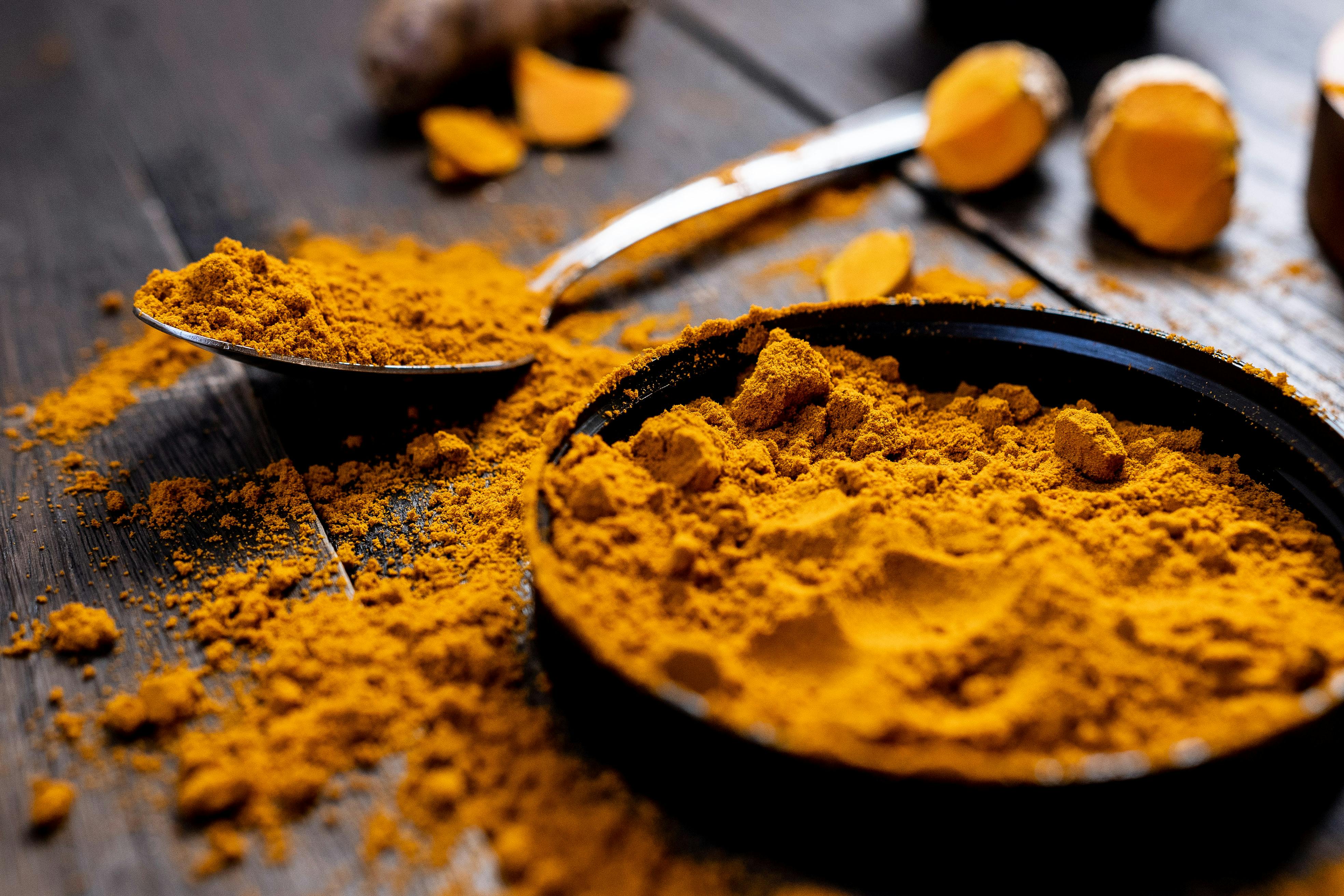
Turmeric is a plant in the ginger family, grown mainly in Southeast Asia and India. Its underground stem, called the rhizome, is dried and ground into the bright yellow spice used in curries, rice dishes and teas. The yellow colour comes from a group of compounds called curcuminoids, and the best known of them is curcumin.
Turmeric has a long history in traditional medicine systems in China, India, the Islamic world and Thailand. It was used for indigestion, colds, skin infections, arthritis and liver complaints. Today it is sold as a dietary supplement for many conditions, including osteoarthritis, depression, allergies and high cholesterol. The National Center for Complementary and Integrative Health (NCCIH) notes that topical turmeric is promoted mainly for osteoarthritis.
Why it is linked to inflammation
Inflammation is the body's normal response to injury and infection. Long-lasting, low-level inflammation is involved in many chronic conditions, which is why anti-inflammatory claims sell well. Curcumin has been studied in laboratory and animal work for its effects on inflammatory pathways, and that research is a big reason turmeric is marketed this way.
Lab findings do not automatically translate into benefits for people, though. The human evidence is narrower, and it is mostly about specific conditions rather than inflammation as a general concept.
What human studies have looked at
According to NCCIH, the most promising human research is on knee osteoarthritis. Several meta-analyses of oral turmeric or curcumin found early positive results for knee pain, stiffness, joint strength and mobility. NCCIH's assessment is that the evidence is not yet strong enough to draw firm conclusions, and that higher-quality trials are needed.
A 2022 systematic review and meta-analysis of randomized trials looked at curcumin for arthritis. You can read the abstract through the PubMed link in the sources. The same caution applies: the results are encouraging, but the studies vary in quality and design.
Beyond joints, NCCIH describes these areas:
- Fatty liver disease (NAFLD): Initial research suggests oral turmeric or curcumin may improve some liver measures, but it is unclear which ones improve consistently.
- Mouth inflammation from cancer treatment: Some research suggests turmeric in a mouthwash or oral formulation may ease swelling and irritation in the mouth. This is early work.
- Topical use for knee pain: It is unclear whether a curcumin ointment helps knee osteoarthritis pain.
NCCIH says there is not enough evidence to conclude that turmeric helps depression, allergies, high cholesterol or other conditions.
The product problem
Curcumin is poorly absorbed by the body on its own. That is why many supplements add piperine, a compound from black pepper, or use specialized "bioavailable" formulations designed to increase absorption. Oral curcumin products also differ a lot in how much curcumin they actually contain. Many contain other plant ingredients as well. This makes it hard to compare studies, and it makes it hard for a buyer to know what they are getting.
The spice in your cooking is a different product from a concentrated extract. Most of the research discussed here involves capsules or extracts, not culinary amounts.
Safety
NCCIH says conventionally formulated oral turmeric, meaning not modified to boost absorption, is likely safe in the amounts used for up to two or three months. Common side effects include nausea, vomiting, acid reflux, stomach upset, diarrhea and constipation. Topical curcumin can cause hives or itching.
The bigger concern is the liver. NCCIH reports that liver damage has occurred in some people taking highly bioavailable curcumin products. If you notice fatigue, nausea, poor appetite, dark urine or yellowing of the skin or eyes, stop taking turmeric products and contact a health care provider right away.
Supplements can also interact with medications. If you take blood thinners, diabetes medication, or any regular prescription, ask a pharmacist or doctor before adding a concentrated product.
How to read a turmeric claim
- Ask whether the claim is about the spice, a plain curcumin extract or a high-absorption product. They are not the same.
- Look for studies in people, not only lab or animal work.
- Check whether the trial measured a symptom people actually feel, such as pain or stiffness, or only a blood marker.
- Be wary of any product that promises to treat or cure a condition.
Bottom line
Turmeric is a well-studied spice with promising but limited evidence for knee osteoarthritis. For inflammation in general, the human research is not strong enough to call it a proven treatment. Using turmeric as food is a low-risk habit for most people. Concentrated supplements call for more caution, especially high-absorption forms, because of the liver warning.
Not medical advice. Talk to a health professional before trying something new.